
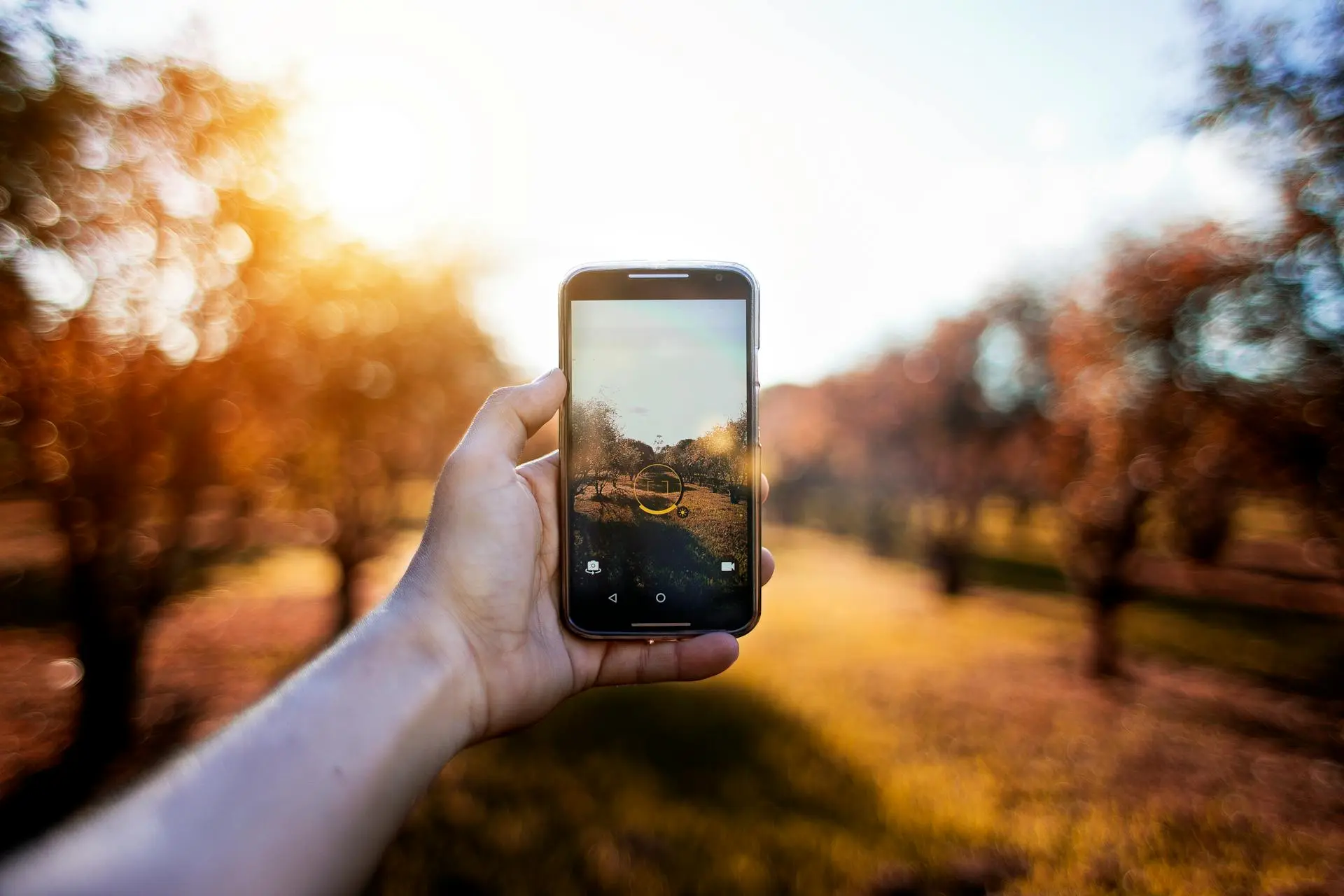
Modern smartphone photography has changed dramatically in the last decade. While phone makers still advertise bigger sensors and higher megapixels, the real star behind today’s stunning photos is artificial intelligence. In fact, phone cameras now rely more on AI-powered software than on raw hardware to produce the images we see.
Why Hardware Alone Isn’t Enough
Smartphones are thin, lightweight, and pocket-friendly. This limits the size of camera sensors and lenses they can use. Unlike professional cameras, phones cannot rely on large optics to capture more light. To overcome this, manufacturers turned to computational photography, where software fills the gap left by physical limitations.
Instead of taking a single photo, your phone often captures multiple frames in milliseconds. AI then analyzes and combines them to create one improved image. This process happens instantly and usually without the user even noticing.
How AI Improves Your Photos
AI inside phone cameras works behind the scenes, making hundreds of tiny decisions every time you tap the shutter button.
- Scene detection recognizes landscapes, faces, food, or night scenes
- Noise reduction removes grain while keeping details sharp
- HDR processing balances bright and dark areas in a photo
- Portrait effects blur backgrounds using depth estimation
- Low-light enhancement brightens photos without heavy flash use
Even features like night mode rely heavily on AI, stacking multiple exposures and correcting motion to produce clear images in near darkness.
AI vs Traditional Camera Hardware
Traditional cameras depend mainly on lenses, sensors, and manual settings. Phone cameras, on the other hand, depend on software intelligence. This is why two phones with similar camera hardware can deliver very different results.
AI also helps cameras learn over time. Updates can improve image quality months after you buy the device — something pure hardware cannot do.
What This Means for Users
For everyday users, AI-driven cameras mean better photos with less effort. You don’t need to understand exposure, ISO, or shutter speed. Your phone makes those decisions automatically, aiming for the best possible result every time.
The downside is that photos may not always reflect reality perfectly. AI sometimes smooths skin, boosts colors, or alters lighting. Still, for most people, the convenience and consistency outweigh these concerns.
The Bottom Line
Phone cameras today are less about lenses and more about intelligent software. While hardware still matters, AI has become the dominant force shaping how smartphone photos look. In the modern pocket camera, code often matters more than glass.