
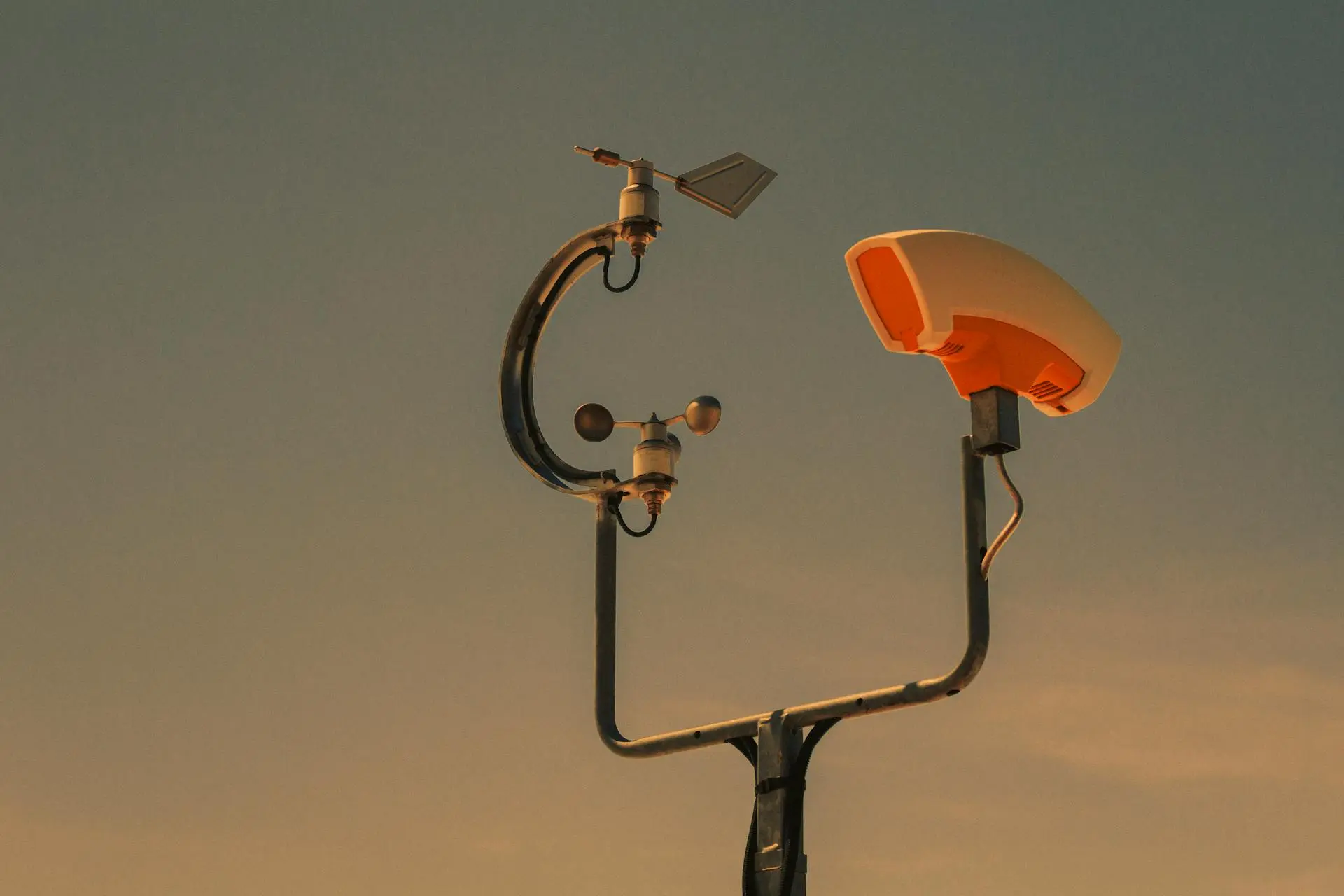
Modern urban life is becoming smarter every day, and at the heart of this transformation lies one powerful element: real-time data sensors. Smart cities depend on these sensors to monitor, analyze, and respond to what’s happening across the city — right as it happens. From traffic flow to air quality, sensors quietly work behind the scenes to make cities more efficient, safer, and more livable.
Unlike traditional systems that rely on delayed or manual data collection, real-time sensors provide instant information. This allows city systems to react immediately instead of waiting hours or days for reports.
What Are Real-Time Data Sensors?
Real-time data sensors are small electronic devices that detect changes in their environment and instantly send data to centralized systems. These sensors can measure movement, temperature, light, sound, pollution levels, water flow, and much more.
In a smart city, thousands — sometimes millions — of sensors work together, creating a live digital picture of the city’s operations.
How Smart Cities Use Sensor Data
Real-time sensor data plays a critical role in everyday city functions. Some key applications include:
- Traffic sensors that reduce congestion by adjusting signals automatically
- Environmental sensors that track air quality and noise pollution
- Water sensors that detect leaks and prevent wastage
- Energy sensors that optimize electricity usage
- Public safety sensors that support faster emergency responses
By using live data, cities can move from reactive management to predictive and proactive decision-making.
Benefits for Citizens
The biggest advantage of sensor-driven smart cities is improved quality of life. Reduced traffic means less stress. Better air monitoring means healthier communities. Efficient resource usage lowers costs and supports sustainability.
For example, smart streetlights can brighten when people are nearby and dim when streets are empty, saving energy without compromising safety.
Challenges and Responsibility
While real-time sensors offer enormous benefits, they also require responsible use. Data security, privacy protection, and system reliability are essential. Cities must ensure that technology serves people — not the other way around.
The Future of Urban Living
This idea shows how deeply technology is shaping urban life. As sensors become more advanced and affordable, cities will grow smarter, faster, and more responsive.
In the future, the smartest cities won’t just collect data — they’ll use it wisely to create better places to live.