
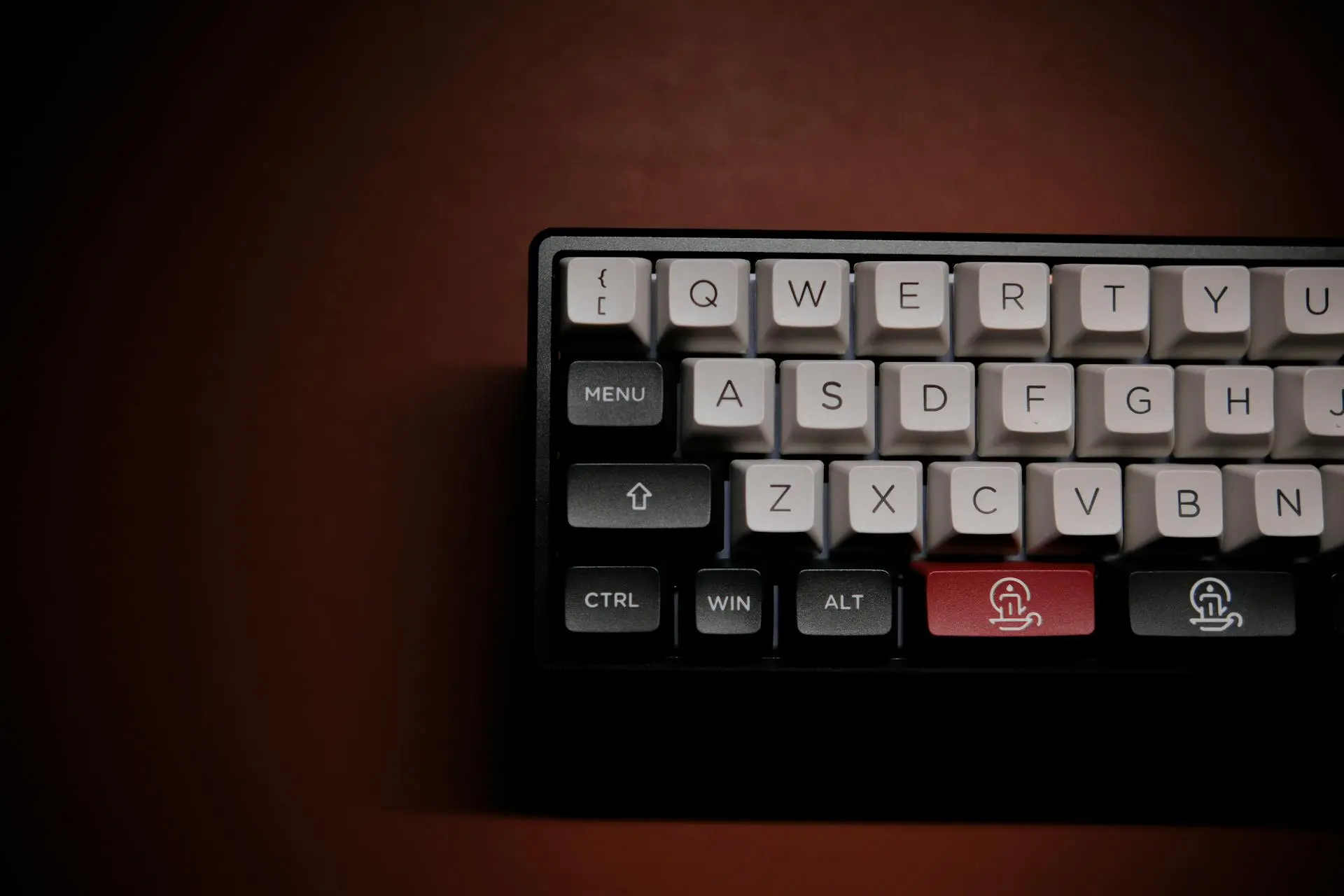
Today, copying and pasting text feels so natural that we barely think about it. With a simple Ctrl + C to copy and Ctrl + V to paste, we move text, images, and files effortlessly across applications. But this everyday action wasn’t always standard. In fact, these shortcuts only became widely accepted during the 1980s, and their journey is a fascinating chapter in computer history.
Before graphical user interfaces became common, early computers relied heavily on command-line operations. Copying text often meant rewriting it manually or using complex commands that were far from user-friendly. The idea of selecting content visually and duplicating it with a simple keystroke was revolutionary at the time.
The Origin of Copy and Paste
The modern concept of copy and paste was first developed at Xerox PARC in the 1970s. Researchers there were experimenting with graphical interfaces, mice, and windows — ideas that were well ahead of their time. However, these innovations didn’t reach the masses immediately.
It was during the 1980s, with the rise of personal computers and operating systems like those from Apple and Microsoft, that copy-and-paste shortcuts became standardized. The Ctrl key was chosen because it was widely available on keyboards and worked well alongside other commands.
Why Ctrl + C and Ctrl + V Matter
These shortcuts may look simple, but they dramatically changed how people interact with computers. They reduced effort, saved time, and made computers accessible to non-technical users.
- They eliminated repetitive typing and manual duplication.
- They improved productivity for writers, programmers, and students.
- They helped establish consistent keyboard standards across software.
A Lasting Digital Habit
Decades later, Ctrl + C / Ctrl + V remains one of the most universal computer skills. Whether you are coding, writing an email, or organizing data, these shortcuts quietly support almost every digital task we perform.
What started as an experimental idea in the 1970s became a global standard in the 1980s — and today, it is impossible to imagine modern computing without it. Sometimes, the smallest innovations leave the biggest impact.