
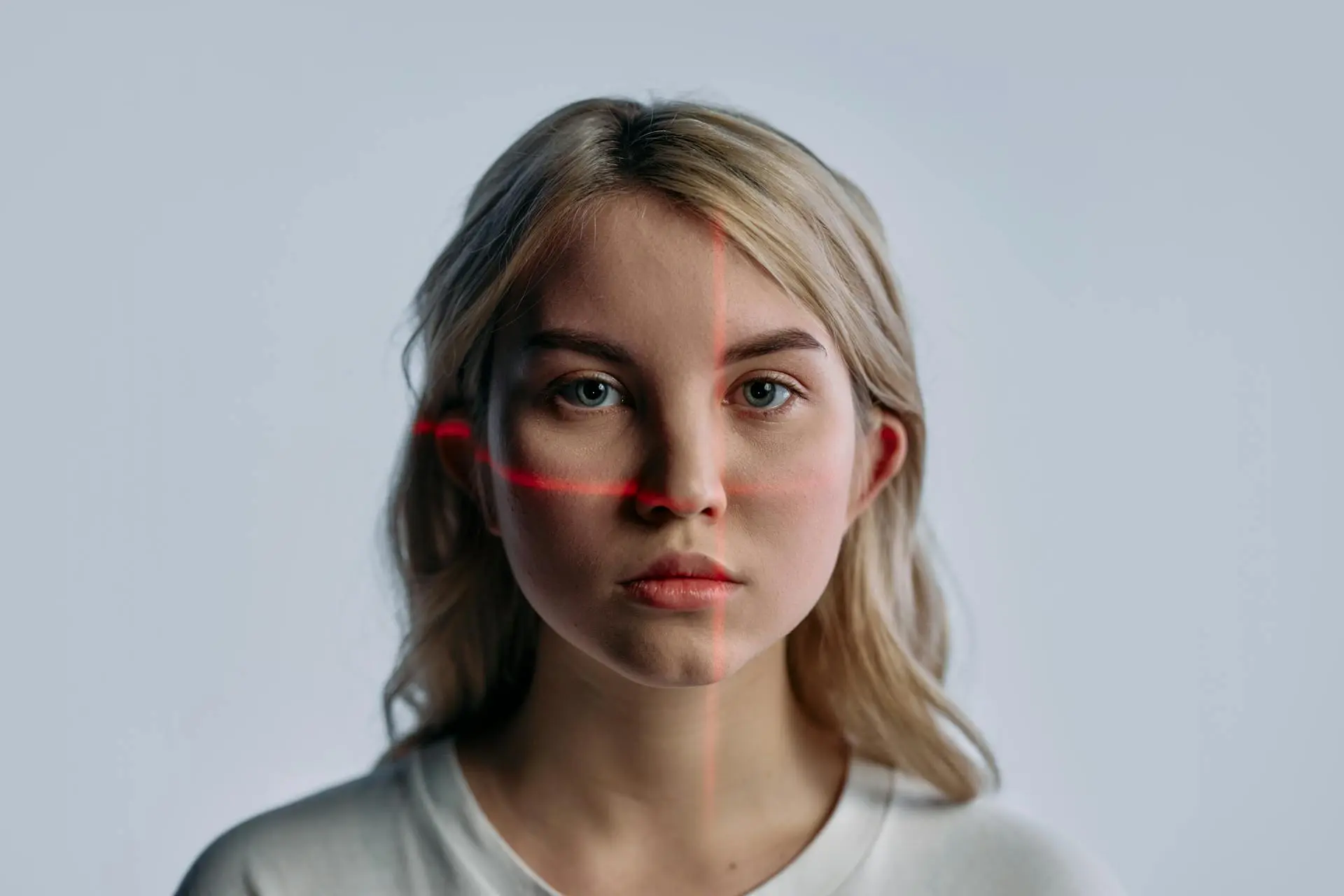
This might sound surprising at first. Many people assume that systems need a full, clear face to identify someone, but modern facial recognition technology is far more advanced than that.
How Facial Recognition Actually Works
Facial recognition does not rely on a single photo or one visible feature. Instead, it analyzes multiple facial landmarks — such as the distance between the eyes, the shape of the nose bridge, cheekbone structure, and jawline.
Even if parts of the face are hidden by masks, sunglasses, scarves, or shadows, enough data points often remain for the system to make a match.
Why Partial Faces Are Still Enough
Modern facial recognition systems use machine learning models trained on millions of face variations. These models learn to recognize patterns rather than just images.
- Eyes and eyebrows provide strong identity cues
- Face shape remains consistent even when covered
- Relative distances between features matter more than full visibility
- Past images help systems predict missing areas
This is why facial recognition still works when someone wears a mask or only part of their face is visible to the camera.
Where This Technology Is Used
Partial-face recognition is already part of everyday life. It quietly operates in multiple systems we use daily.
- Smartphone unlocking with masks or low light
- Airport security and border control systems
- Law enforcement surveillance tools
- Access control in offices and secure buildings
During the pandemic, many systems were upgraded specifically to handle masked faces.
Privacy and Accuracy Concerns
While this technology is powerful, it raises important questions. Partial-face recognition can sometimes lead to false matches, especially in low-quality images or crowded environments.
Privacy advocates argue that stronger regulations are needed to prevent misuse and protect personal data.
Final Thoughts
Facial recognition no longer needs a perfect, front-facing image. By analyzing patterns and key facial features, it can identify people even with partially visible faces. As the technology continues to evolve, balancing security, accuracy, and privacy will be more important than ever.