
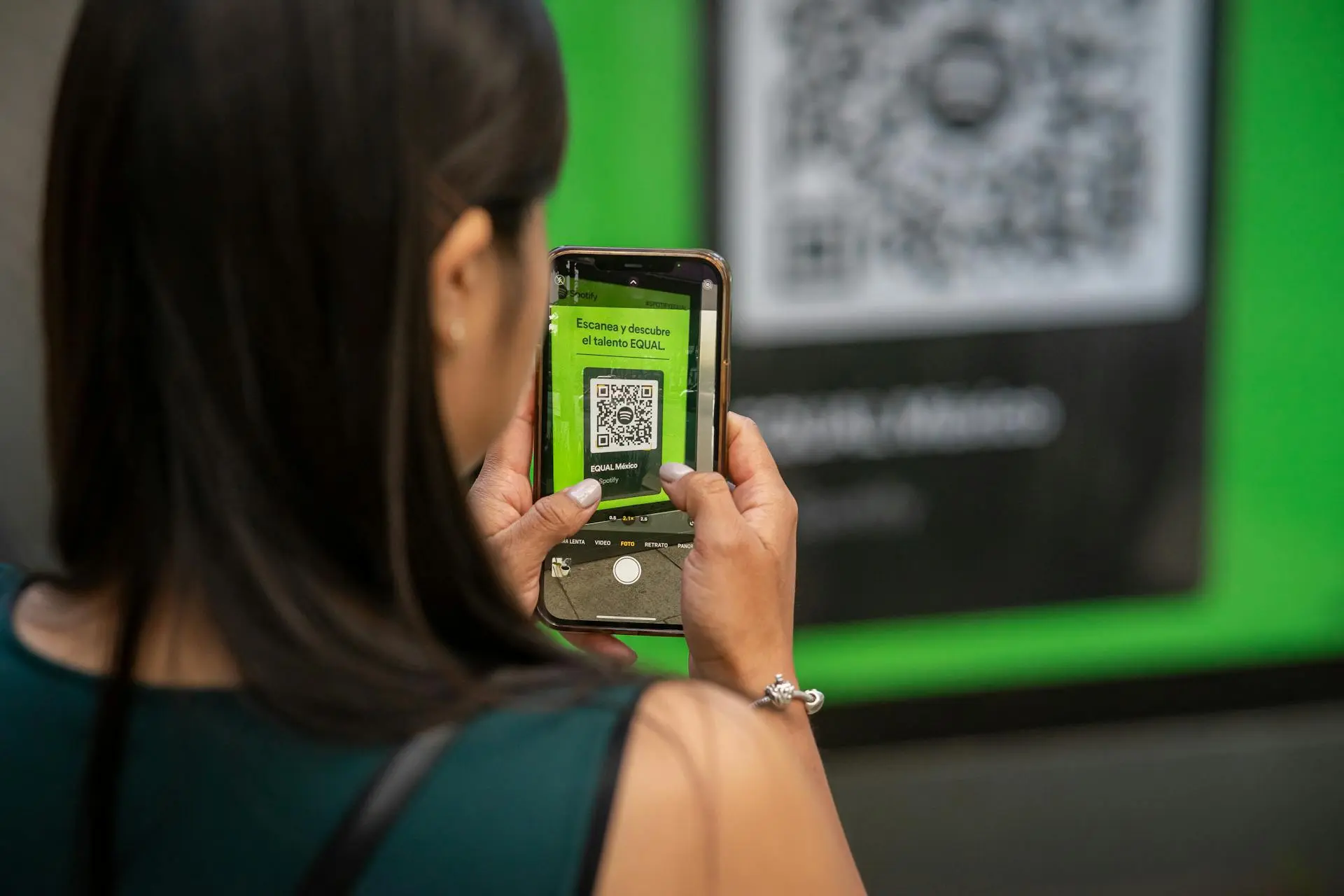
QR codes may seem like a modern invention, but their story began much earlier. QR codes were first introduced in 1994, at a time when smartphones, mobile apps, and digital payment systems had not yet entered everyday life. What started as an industrial tool has now become one of the most widely used technologies in everyday life.
The technology was developed in Japan by Denso Wave, a subsidiary of Toyota. At that time, manufacturing companies needed a faster and more reliable way to track vehicle parts. Traditional barcodes had limited storage capacity and required precise scanning from one direction, which slowed down factory operations.
Why QR Codes Were Created
QR codes, which stand for “Quick Response codes,” were designed to overcome the limitations of barcodes. They could store much more data and be scanned quickly from multiple angles, making them ideal for fast-moving environments.
- They store more information than traditional barcodes.
- They can be scanned from any direction.
- They improve speed and accuracy in tracking systems.
From Industrial Use to Everyday Life
For many years, QR codes were mostly used behind the scenes in factories, warehouses, and logistics systems. The general public rarely noticed them. This began to change when smartphones became more powerful and cameras improved.
As mobile devices started supporting QR scanning, businesses realized how useful the technology could be. QR codes required no expensive hardware and worked across different platforms, making them easy to adopt.
Why QR Codes Are Everywhere Today
The widespread use of QR codes accelerated with the growth of digital payments and contactless services. During the COVID-19 pandemic, they became essential for touch-free interactions.
- Digital payments and UPI transactions
- Restaurant menus and ticketing systems
- Website logins and authentication
- Product packaging and promotions
Despite their global popularity today, the core QR code technology has remained largely unchanged since 1994. This proves that many technologies become mainstream only when the world is ready for them. QR codes are a perfect example of a simple idea that stood the test of time.