
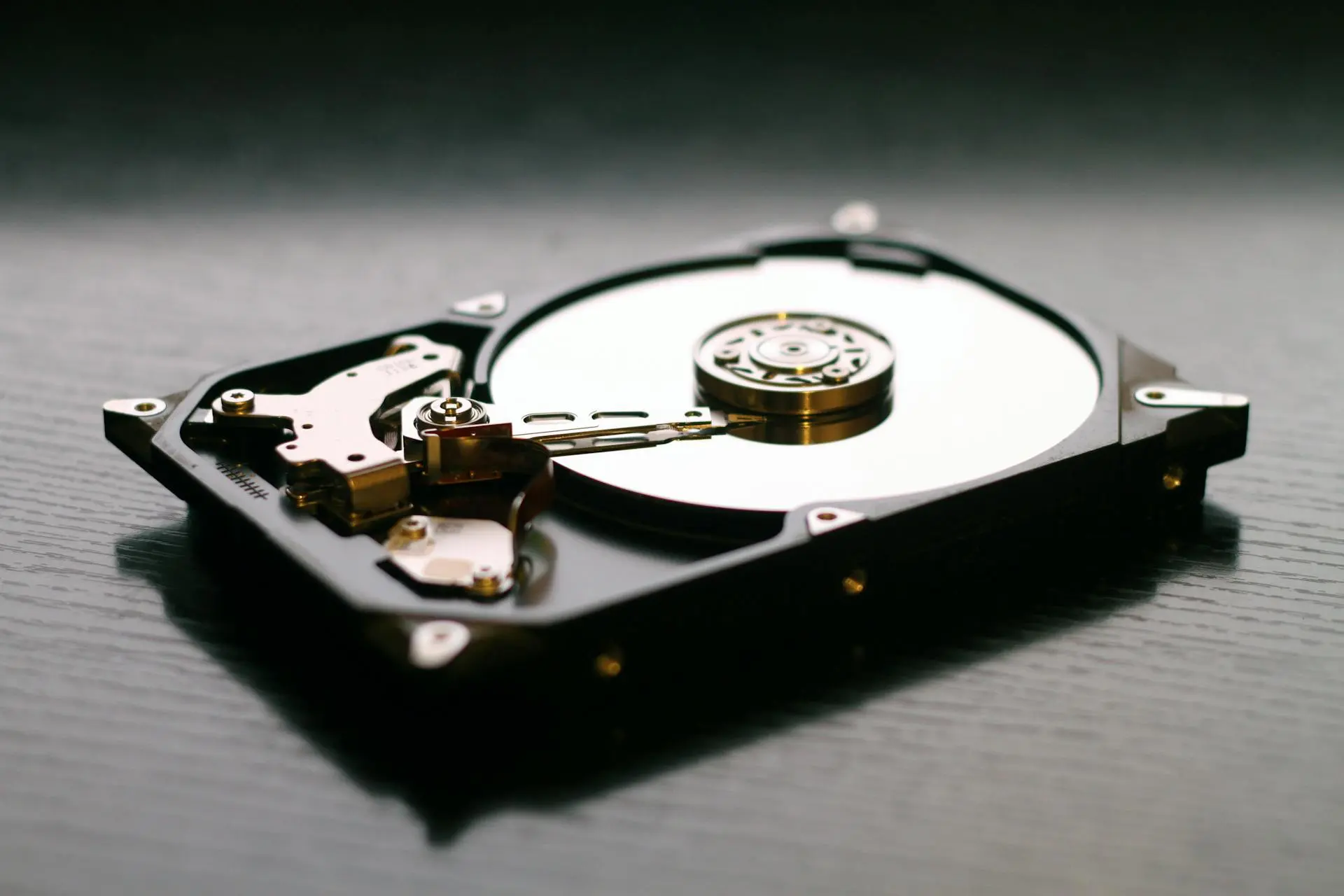
Today, we casually carry phones with hundreds of gigabytes of storage in our pockets. Photos, videos, apps, documents — everything fits effortlessly. But the story of digital storage began in a very different way. The first commercial hard drive could store only 5 megabytes of data and weighed more than one ton. By modern standards, that sounds almost unbelievable.
To put it into perspective, 5 MB today might hold a single high-quality photo or a few seconds of video. Yet, when the first hard drive was introduced in the 1950s, this amount of storage was considered revolutionary. At the time, computers relied on punch cards and magnetic tape, which were slow and difficult to manage. The hard drive changed everything by allowing direct access to stored data.
Why the First Hard Drive Was So Massive
The enormous size of the early hard drive wasn’t poor design — it was the best technology available at the time. Engineers had to work with large metal disks, powerful motors, and bulky electronics to make data storage possible.
- Large spinning disks were needed to store data magnetically.
- Mechanical parts required heavy frames to remain stable.
- Cooling systems were essential to prevent overheating.
- Precision components were limited by manufacturing technology.
Because of its size and cost, this early hard drive was used only by large organizations. It was not something individuals could buy or even imagine owning. Still, it laid the foundation for modern data storage.
From One Ton to Your Pocket
Over the decades, storage technology evolved rapidly. Hard drives became smaller, faster, and cheaper. Eventually, solid-state storage replaced moving parts entirely. Today, a tiny memory chip weighing just a few grams can store millions of times more data than the first hard drive ever could.
This dramatic transformation highlights how quickly technology can advance. What once required an entire room and enormous machinery now fits inside everyday devices. The journey from a 5 MB, one-ton hard drive to modern storage is a powerful reminder of human innovation — and how far digital technology has come.