
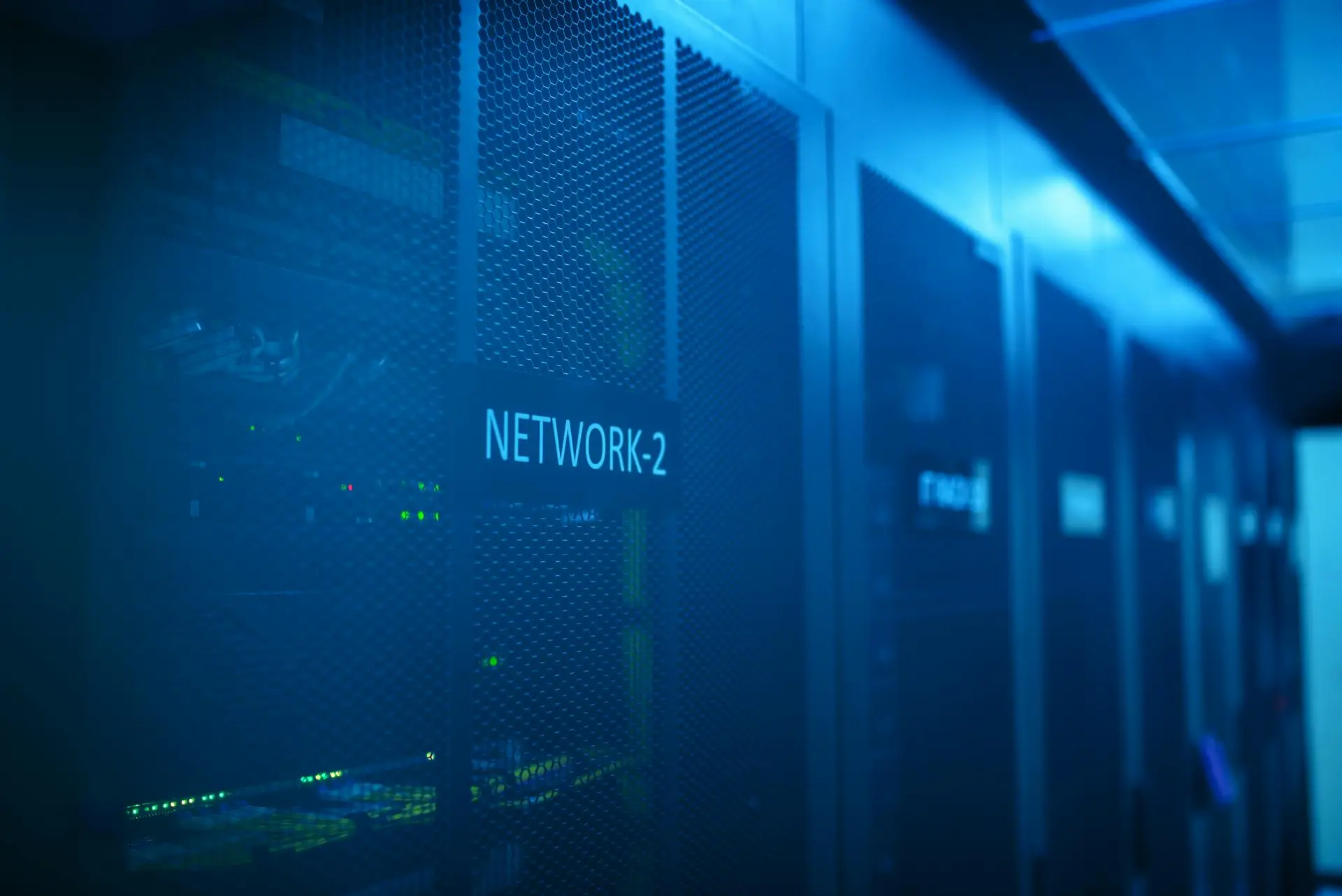
Behind every online search, video stream, cloud backup, and social media scroll lies an unseen giant: the data center. While these facilities look like ordinary buildings from the outside, they consume an extraordinary amount of electricity. In fact, a single large data center can use as much power as a small town with tens of thousands of residents.
Data centers operate 24/7, never sleeping or slowing down. Inside them are thousands of servers running nonstop to process, store, and transfer data across the internet. Each server generates heat, and keeping them cool requires powerful cooling systems that consume almost as much electricity as the servers themselves.
Why Do Data Centers Use So Much Power?
The massive energy demand of data centers comes from several essential operations that must run continuously to avoid downtime or data loss.
- Always-on servers: Servers process data every second, even when user activity is low.
- Advanced cooling systems: Air conditioning and liquid cooling prevent overheating.
- Backup power systems: Generators and batteries stay ready for emergencies.
- Network infrastructure: Routers and switches move huge volumes of data globally.
Even a short power interruption can cause service outages affecting millions of users. That’s why data centers are designed for reliability, not energy savings alone.
The Growing Impact of Digital Life
As streaming, cloud storage, artificial intelligence, and online services grow, data centers are expanding rapidly. Every uploaded photo, online meeting, and app update adds to the energy demand. This digital growth means that electricity usage from data centers is rising faster than many traditional industries.
However, the tech industry is also taking steps to reduce its environmental footprint. Many companies are investing in renewable energy, building data centers near clean power sources, and improving energy efficiency through smarter hardware and cooling designs.
Why This Fact Matters
Understanding how much power data centers consume helps us see the hidden cost of our digital habits. Simple actions like deleting unused files, reducing unnecessary streaming, and optimizing websites can collectively make a difference.
The next time you load a webpage or watch a video, remember that somewhere in the world, a building full of servers is working nonstop — using as much electricity as a small town — to keep the internet running smoothly.