
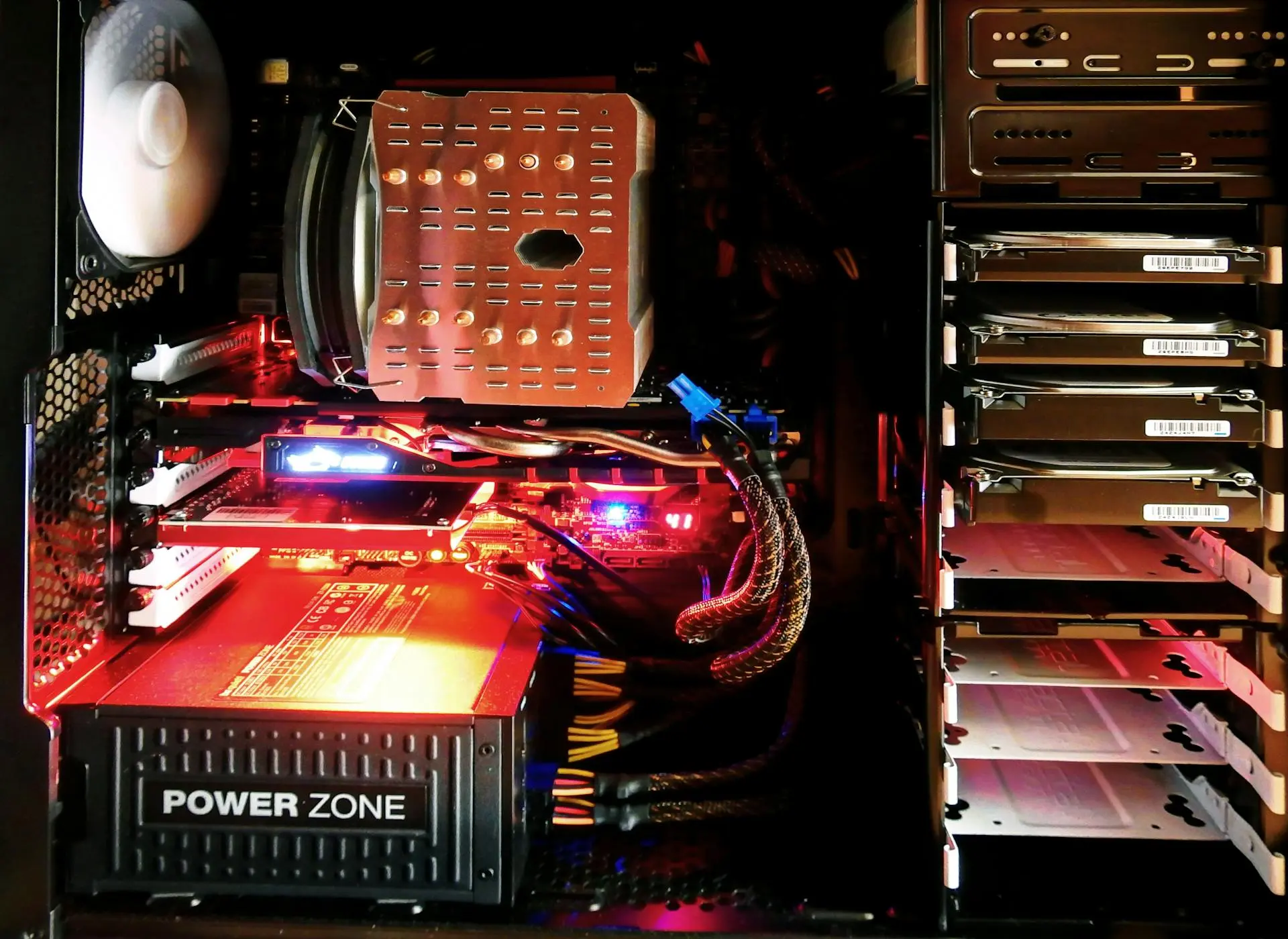
Heat may seem harmless, but in the world of technology, it is one of the biggest threats to electronic devices. From smartphones and laptops to servers and data centers, excess heat slowly damages components, reduces performance, and shortens the lifespan of electronics. Managing heat is one of the most important challenges engineers face today.
Every electronic device generates heat while operating. When electricity flows through circuits, some energy is lost as heat due to resistance. Under normal conditions, this heat is safely dispersed. However, when heat builds up beyond safe levels, it begins to interfere with how components function and communicate with each other.
Why Heat Is So Harmful
High temperatures can cause electronic parts to expand, weaken, or degrade over time. Sensitive components like processors and batteries are especially vulnerable. Even small increases in temperature can lead to slower performance, system instability, or sudden shutdowns.
- Reduced Performance: Devices often throttle performance to prevent overheating.
- Shorter Lifespan: Constant heat stress wears out components faster.
- Battery Damage: Heat accelerates battery aging and capacity loss.
- Hardware Failure: Extreme heat can permanently damage circuits.
How Devices Fight Heat
Modern electronics rely on several cooling methods to stay safe. These solutions are carefully designed to balance performance, size, and energy efficiency. Without proper cooling, powerful devices would fail within minutes.
- Heat Sinks: Metal components that absorb and spread heat.
- Cooling Fans: Move hot air away from internal parts.
- Thermal Paste: Improves heat transfer between chips and coolers.
- Smart Software: Adjusts performance based on temperature.
Why Heat Management Matters
As devices become more powerful and compact, heat management becomes even more critical. Thin smartphones, high-performance laptops, and massive servers all push hardware to its limits. Keeping temperatures under control ensures better reliability, safety, and efficiency.
In short, heat isn’t just uncomfortable for humans — it’s dangerous for machines. Proper cooling, smart design, and responsible usage help electronics perform better and last longer. When it comes to technology, controlling heat is the key to keeping everything running smoothly.