
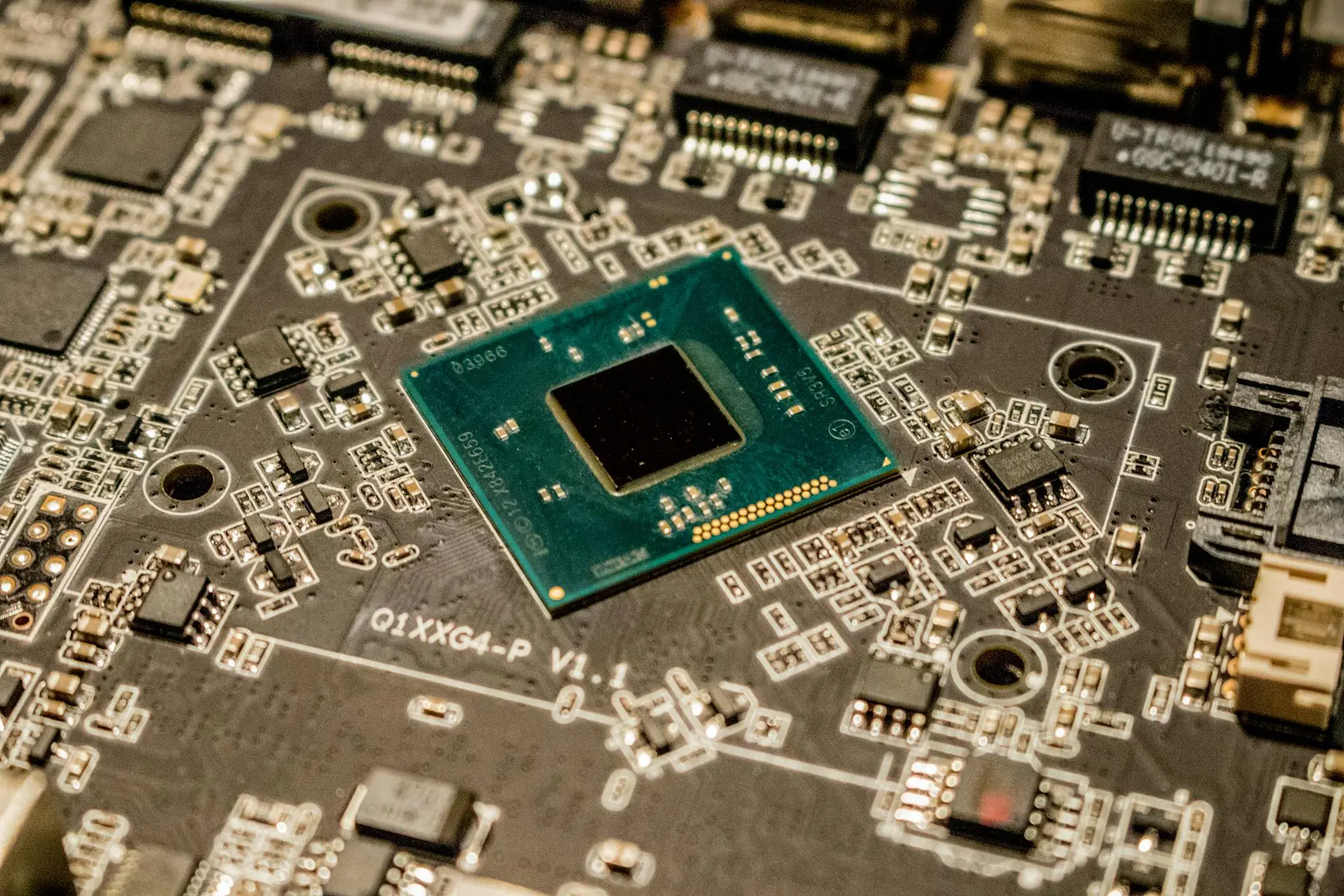
Modern electronic devices may look simple on the outside, but inside them lies extraordinary complexity. At the heart of smartphones, laptops, and servers are computer chips built with billions of tiny transistors. These microscopic components are the reason modern technology is fast, powerful, and energy efficient.
A transistor works like a tiny on-off switch that controls the flow of electricity. By switching billions of times per second, transistors process data, perform calculations, and run software. The more transistors a chip has, the more instructions it can handle at once, leading to better performance.
How Chips Became So Powerful
Decades ago, computer chips contained only a few thousand transistors. Over time, engineers learned how to pack more transistors into the same physical space. This steady increase made computers smaller, faster, and more affordable for everyday use.
- Miniaturization: Transistors are now measured in nanometers.
- Higher Performance: More transistors allow parallel processing.
- Lower Power Usage: Smaller components use less energy.
- Compact Devices: Powerful chips fit into slim smartphones.
Why Billions of Transistors Matter
Having billions of transistors enables chips to handle complex tasks such as gaming graphics, artificial intelligence, video editing, and real-time communication. Each task relies on millions of calculations happening simultaneously, something only possible with extremely dense chip designs.
These advances also improve everyday experiences. Apps load faster, videos stream smoothly, and multitasking feels effortless. All of this performance comes from billions of microscopic switches working together in perfect coordination.
The Engineering Challenge
Building chips with billions of transistors is incredibly difficult. Heat management, power delivery, and manufacturing precision become major challenges as components shrink. Even a tiny defect can affect the entire chip’s performance.
- Heat Control: More transistors generate more heat.
- Manufacturing Precision: Atomic-level accuracy is required.
- Rising Costs: Advanced chip production is extremely expensive.
The Future of Chip Technology
As technology advances, engineers continue to find new ways to increase performance without endlessly shrinking transistors. Techniques like smarter designs and specialized chips help push computing forward. The next generation of innovation will still rely on the same idea: billions of transistors working together to power the digital world.